

Spring Skiing Australia: What to Wear & How to Layer
Spring is one of the best-kept secrets in the Australian snow scene. The crowds thin out after winter, the sun feels properly warm, and the snow softens into the kind of conditions that make long, relaxed turns possible. In one standout season, Perisher recorded 185cm of snow falling through September, with the resort calling it the best spring skiing and boarding conditions ever. That is the kind of spring that keeps people coming back year after year.
But spring skiing in Australia asks a little more from your wardrobe than a deep winter trip. Mornings can still be crisp, afternoons can feel almost like a beach day, and the sticky spring slush at the end of the day needs an outer shell that can handle it. The answer is layering, done properly.
Here is what to wear for spring skiing in Australia, how to build a flexible layering system, and where to head once the season warms up.

Why Spring Skiing in Australia Is Worth Planning For
Spring is when the weather heats up, but the snow does not disappear overnight. Australian resorts can receive significant snowfall right through September, so there is often fresh cover well into the final weeks of the season.
Beyond the snow itself, spring skiing in Australia offers a blend of adventure, relaxation, and vibrant celebrations. Costs are often lower than peak winter, festivals are on, and the atmosphere is noticeably more relaxed. End-of-season events have become a highlight, and the combination of extended daylight and discounted lift passes makes a spring trip easy to justify.
You also get a friendlier mountain. Fewer crowds mean shorter lift lines, more space on the groomed runs, and a laid-back vibe that makes the whole experience feel less rushed. Spring skiing in Australia is less about chasing powder and more about soaking up sunny days on soft, forgiving snow.
Where to Go for Spring Skiing in Australia
Australia has five major downhill ski resorts: Perisher and Thredbo in New South Wales, and Mount Buller, Falls Creek, and Mount Hotham in Victoria. Each has its own personality, but some stand out when the season warms up.
Perisher is widely regarded as the go-to spring skiing destination in Australia. It is the biggest resort in the country, and it has a strong reputation for snow reliability, which matters when temperatures start to climb. Falls Creek, in Victoria, is another solid choice if you are chasing a snow guarantee.
Location plays a part too. Mount Buller is the convenient option for a resort near Melbourne, while Thredbo and Perisher are well placed for visitors from Canberra. Mount Buller also offers three terrain parks for different skill levels, so spring is a good time to try something new without worrying about rough tumbles on the features.
If you are planning a trip and want the most current advice on snow conditions, check the official reports from the individual resorts closer to your travel dates. Spring weather in the Australian Alps can vary from year to year, so a quick look at the snow depth before you pack will help you make the right clothing choices.

How Spring Conditions Change the Way You Dress
The biggest difference between winter and spring skiing is temperature. Spring mornings at Australian resorts can still be cold and icy, but by lunchtime the sun is strong enough that skiing in a heavy winter jacket becomes genuinely uncomfortable.
There is also the snow itself. Warmer temperatures turn groomed runs into soft, forgiving spring snow, but the same warmth can leave lower slopes slushy by mid-afternoon. Slush is wet, and wet conditions mean your outer layers need to be genuinely waterproof rather than just windproof.
The trick is to dress in a way that lets you peel off layers as the day warms up. Start the morning fully layered, then shed a mid layer when the sun hits your favourite run. A daypack gives you somewhere to put everything you take off, so comfort does not come at the cost of carrying an armful of clothing.
The Three Layer System for Spring Skiing
Layering is simple in concept: a base layer next to your skin, a mid layer for warmth, and an outer shell for protection. In spring, the goal is flexibility. You want to be able to adjust your temperature through the day without stopping to change into a whole new outfit.
Base Layer: Keep Your Skin Dry
Your base layer sits directly against your skin, and its only real job is to manage moisture. Skiing in the sun makes you sweat far more than you expect, and if that sweat stays trapped against your skin, you will feel cold the moment you stop moving.
Look for a thermal base layer made from a moisture-wicking synthetic or merino wool. Avoid cotton, because cotton soaks up sweat and stays wet against your body. A good base layer will keep you dry through a warm morning and still be comfortable if the weather turns cloudy and windy.
Mid Layer: The One You Can Remove
This is the layer you will take off and put back on through the day. A lightweight fleece or insulated (mid-layer) top works well for spring because it provides warmth when the air is cold but packs down easily into a backpack when the sun comes out.
Choose something with a zip so you can vent heat without taking it off completely. Some snow jackets also have pit zips, which are worth having on warm spring days. The ability to open up the jacket and dump heat quickly makes a real difference when you are working hard on the slopes.
Outer Shell: Protection from Snow and Slush
Your shell is your defence against snow, wind, and wet spring slush. A waterproof and breathable snow jacket and snow pants are essential. Look for a waterproof rating that can handle sitting on soft, wet snow at the end of the day.
In spring, you often do not need the heaviest insulated jacket on the market. A shell-style jacket paired with a good mid layer gives you more flexibility than one thick winter coat. If you already own a full winter outfit, keep the same jacket and simply adjust the mid layer underneath according to the forecast.
If you are unsure about your layering setup, talking to the team at Rapid Surf & Ski to help you find the right combination for spring temperatures.

Spring Skiing Accessories to Pack
Do not underestimate the spring sun at Australian altitudes. Bright sunshine reflecting off the snow is intense, so good ski goggles or sunglasses are non-negotiable. Sunscreen is just as important, even on overcast days, because the sun at altitude can burn quickly.
Lightweight gloves are usually enough by afternoon, but keep a warmer pair handy for crisp mornings. A helmet with vents helps regulate your head temperature, and a thin beanie underneath gives you options when the wind picks up.
The general rule is to carry a daypack so you can stash your mid layer, spare gloves, sunscreen, and a water bottle. Being able to adjust your clothing and stay hydrated throughout the day is what makes the warm spring sun enjoyable instead of exhausting.
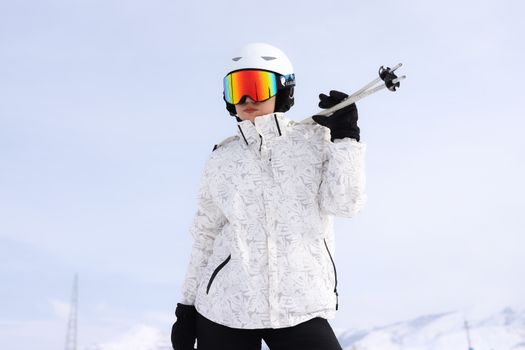
Making the Most of Spring Snow
Spring snow is famous for being soft and forgiving in the afternoon, so plan your day around the conditions. Ski the groomed runs and steeper terrain in the morning while the snow is firm, then enjoy the softer, slushier slopes once the sun has done its work.
Take breaks more often than you would in winter. The warm weather makes it easy to stay out all day, but your legs will feel the softer snow more than you expect. A relaxed pace with a long lunch in the sun is part of the appeal of spring skiing.
It is also worth checking the weather forecast before you head up. Spring conditions in the Australian Alps can change quickly, and being prepared for a cold snap is better than being caught out wearing only your lightest layers.
Frequently Asked Questions
Which month is best for spring skiing in Australia?
The Australian ski season kicks off in early June, and spring conditions typically build through August and into September. Perisher has recorded substantial snowfall through September in a standout year, so the final weeks of the season can deliver excellent cover. September is generally the month most spring skiers aim for, when the days are longer, the sun is warmer, and crowds have eased.
Is spring skiing harder than winter skiing?
Spring skiing is not necessarily harder, but it is different. Firm morning snow skis much like winter conditions, while softer afternoon slush can be more physically tiring because soft snow creates more resistance under your skis. The warm sun and relaxed atmosphere make many people feel comfortable trying new terrain. The key is to adjust your expectations and pace yourself through the afternoon.
Will there be snow in Australia during this ski season?
Snowfall varies from year to year and cannot be predicted far in advance. Australian resorts typically operate from early June through September, and spring snow is common, but the amount of cover depends on the season itself. For the most accurate picture before a trip, check the official snow reports and forecasts from the individual resorts closer to your travel dates.
What are you waiting for? Book that next snow holiday and grab all your snow gear and essentials from us at Rapid Surf & Ski, and most of all happy spring skiing!